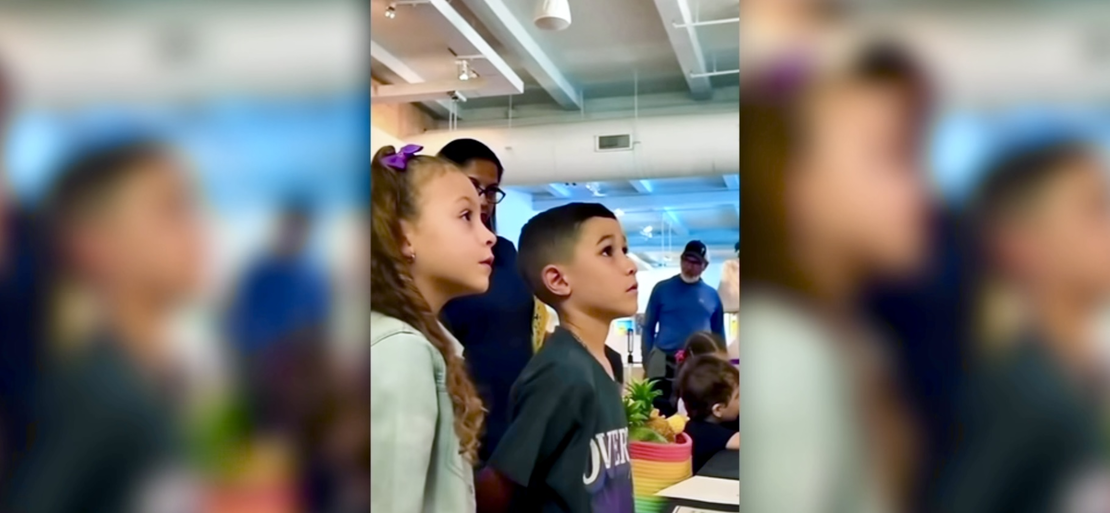
Bronx Children's Museum #1
- Zev Valdina
- Workshops; bronx children's museum
- July 18, 2026
Table of Contents
Bronx Children’s Museum: Workshop #1
On July 18, 2026, Food Foundations joined the Bronx Children’s Museum for a nutrition workshop connected to the museum’s food-themed programming. Children and caregivers used plastic food models to sort foods, examine mixed dishes, and put together meals or snacks. The group also discussed why the foods available to a family depend on more than nutrition knowledge or personal preference.
Sorting food into groups
We began by asking, “What is one food you like to eat?” The answers gave us a starting point for introducing the five food groups: fruits, vegetables, grains, protein foods, and dairy.
Children chose food models and placed them with the group they thought fit best. We treated the sorting as a discussion instead of a quiz. Participants explained whether they were thinking about a food’s ingredients, texture, appearance, or usual preparation. Depending on the food, more than one answer could make sense.
The activity focused on observing what a food contains and explaining a decision, rather than memorizing categories.
Looking at mixed foods
The categories became less straightforward when we moved to pizza, tacos, sandwiches, cereal, and soup. These foods often combine ingredients from several groups, so children identified the parts of each dish instead of assigning the whole meal to one label.
A slice of pizza, for example, may contain grains from the crust, dairy from the cheese, and vegetables from the sauce or toppings. Food groups gave participants a way to look more closely at a meal without forcing the entire dish into one category.
Building meals people would actually eat
Children and caregivers then used the models to make a meal or snack with foods from several groups. We asked them to build something they would realistically enjoy, rather than aiming for a supposedly perfect plate.
There was no requirement to fit all five groups into one meal. Variety can develop across meals throughout the day, and families and cultures combine foods in many different ways. A nutrition activity becomes less useful when it presents one type of meal as the standard for everyone.
Food access and everyday choices
The workshop also covered some of the practical limits that shape food choices. Price, nearby stores, transportation, work schedules, cooking time, and familiarity can all affect what a family buys and prepares.
We discussed how fresh fruits and vegetables can add flavor, color, texture, and nutrients to meals. Fresh produce, however, is not equally affordable or easy to find in every neighborhood. Frozen and canned fruits and vegetables can also be nutritious, less expensive, and easier to keep on hand.
Children and families should not be blamed when their choices are limited. Reliable information matters, but so do affordable food and resources that people can reach and use.
Continuing the activity at home
Caregivers could take optional information about New York City food and market resources. No one was asked to share details about their household or explain why they might want the information.
Families could also repeat part of the workshop at home using a familiar meal. They could name its ingredients, connect them to food groups, notice its colors and textures, and think about how to use the food before it spoils. This gives children another practical way to think about meals and food waste.
After the workshop
This first workshop at the Bronx Children’s Museum gave children several ways to work with the same ideas. They handled and sorted food models, broke mixed foods into their ingredients, and built meals of their own.
Food education should help children understand what they eat without dividing foods into “good” and “bad” categories. It should also make room for the financial, cultural, and practical circumstances that affect what families can buy and prepare.
Thank you to the Bronx Children’s Museum, its staff, and the families who took part on July 18. Food Foundations looks forward to building on this first session in future workshops.