How to Balance Macronutrients: A Complete Guide to Protein, Carbohydrates, and Fats
Table of Contents
How to Balance Macronutrients: A Complete Guide to Protein, Carbohydrates, and Fats
What Are Macronutrients?
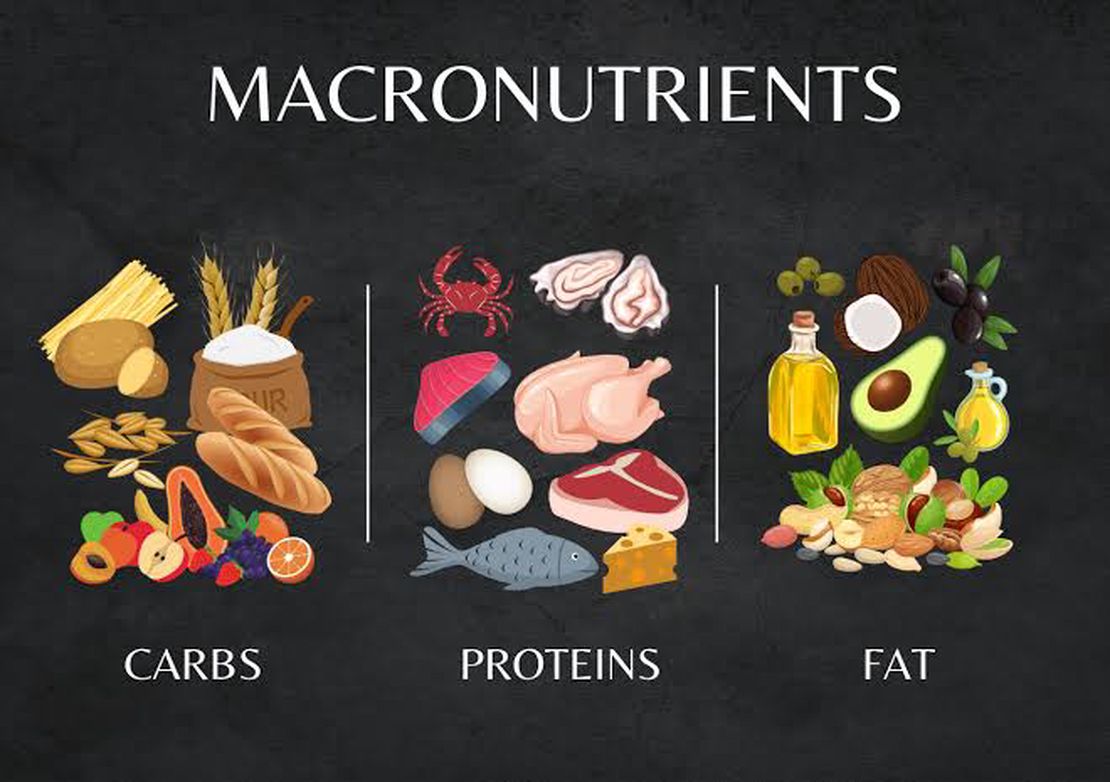
Macronutrients, commonly called macros, are the nutrients the body needs in relatively large quantities to provide energy and support essential physiological processes. The three primary macronutrients are protein, carbohydrates, and fat.
Alcohol also provides calories and is sometimes classified as a macronutrient, but it is not an essential nutrient and is not necessary for a balanced diet.
A useful way to think about macronutrients is that each has a different primary role:
- Protein provides amino acids needed for muscle, enzymes, hormones, immune function, and tissue repair.
- Carbohydrates provide glucose and are an important source of energy, particularly during higher-intensity physical activity.
- Fat supplies concentrated energy and essential fatty acids while helping the body absorb fat-soluble vitamins.
The goal of balancing macros is not to make every meal mathematically perfect. Rather, it is to establish an overall eating pattern that provides sufficient energy, protein, essential fats, carbohydrates, fiber, vitamins, minerals, and other beneficial food components.
The National Academies traditionally defined an Acceptable Macronutrient Distribution Range (AMDR) for adults as 45–65% of calories from carbohydrate, 20–35% from fat, and 10–35% from protein.
However, these percentages should be treated as broad planning guidelines rather than rigid targets. A 2024 National Academies review noted limitations with the AMDR framework and emphasized considering macronutrient quality, essential nutrients, and other dietary factors rather than focusing exclusively on percentages.
Why Macronutrient Balance Matters
Energy and daily performance
Carbohydrates, protein, and fat all contribute calories, but they are handled differently by the body. Carbohydrate and protein provide approximately 4 calories per gram, while fat provides approximately 9 calories per gram.
Adequate carbohydrate can support physical activity and replenish glycogen stores. Protein supplies amino acids for maintaining and repairing tissues. Dietary fat provides energy and essential fatty acids and assists with absorption of vitamins A, D, E, and K.
Appetite and satiety
A well-structured diet can make it easier to manage hunger. Protein is generally highly satiating, while fiber-rich carbohydrate foods and some sources of dietary fat can also contribute to fullness.
This is one reason that simply cutting calories without considering food composition can be less practical than building meals around nutrient-dense foods.
Muscle maintenance and growth
Protein is particularly important for people who strength train, are physically active, are trying to preserve lean mass during weight loss, or have increased protein requirements.
Current U.S. dietary guidance summarized by MedlinePlus recommends that adults and children generally aim for approximately 1.2–1.6 grams of protein per kilogram of body weight per day, while recognizing that individual needs vary.
The Three Macronutrients Explained
Protein
Protein consists of amino acids that participate in virtually every major biological process.
Protein contributes to:
- Muscle repair and maintenance
- Enzyme production
- Hormone and signaling processes
- Immune function
- Tissue development and repair
- Maintenance of lean body mass
Good protein sources include fish, seafood, poultry, eggs, dairy products, lean meats, beans, lentils, tofu, tempeh, soy foods, nuts, seeds, and other legumes.
How much protein do you need?
Protein needs depend on body size, age, physical activity, health status, and goals.
A general starting point for many healthy adults is around 1.2–1.6 g/kg/day, although people with specific goals or circumstances may need a different intake.
For example, a 70-kg person using a 1.4-g/kg target would calculate:
70 kg × 1.4 g/kg = 98 g protein/day
This is a planning example rather than a universal prescription.
How to distribute protein throughout the day
Rather than consuming nearly all protein at one meal, many people find it practical to include a meaningful protein source at breakfast, lunch, dinner, and—when useful—a snack.
Examples include:
- Greek yogurt with fruit
- Eggs with whole-grain toast
- Chicken and grain bowls
- Lentil soup
- Tofu stir-fry
- Fish with potatoes and vegetables
- Cottage cheese with berries
The exact foods matter less than consistently obtaining adequate protein from a varied diet.
Carbohydrates
Carbohydrates include sugars, starches, and dietary fiber. They are found in foods such as fruits, vegetables, grains, legumes, potatoes, and dairy products.
Carbohydrates can be particularly useful for supporting exercise because glucose and stored glycogen can be rapidly accessed for energy.
The National Academies’ traditional adult AMDR for carbohydrate is 45–65% of total energy intake.
Choose carbohydrate quality over simply counting grams
Not all carbohydrate-containing foods have the same nutritional value.
Prioritize foods such as:
- Oats
- Brown rice and other whole grains
- Potatoes and sweet potatoes
- Beans and lentils
- Fruits
- Vegetables
- Whole-grain breads and cereals
These foods can provide fiber and micronutrients in addition to carbohydrate.
Refined carbohydrates and foods high in added sugars can still fit into a balanced diet, but they generally should not displace nutrient-dense foods.
Don’t confuse carbohydrates with sugar
Sugar is a type of carbohydrate, but carbohydrate is not synonymous with added sugar.
Fruit, legumes, whole grains, and vegetables contain carbohydrates while also providing fiber and other nutrients. Added sugars, by contrast, are incorporated into foods and beverages during processing or preparation.
A balanced approach therefore focuses on the quality and overall dietary pattern, not simply eliminating carbohydrate.
Dietary fat
Fat is the most energy-dense macronutrient, providing approximately 9 calories per gram.
Dietary fat is important for:
- Essential fatty acid intake
- Cell membranes
- Hormone-related processes
- Absorption of fat-soluble vitamins
- Energy
- Flavor and satisfaction
Useful sources include olive oil, avocado, nuts, seeds, fatty fish, and other foods rich in unsaturated fats.
The traditional adult AMDR for total fat is 20–35% of calories.
Focus on fat quality
A balanced diet should not treat every gram of fat as interchangeable.
Favor unsaturated fat sources such as:
- Olive oil
- Avocado
- Walnuts
- Almonds
- Peanuts
- Seeds
- Salmon
- Sardines
- Trout
Saturated fat intake also deserves attention. Current dietary guidance emphasizes choosing lean protein sources and keeping saturated fat relatively limited within an overall healthy eating pattern.
How to Calculate Your Macronutrients
Step 1: Estimate your calorie needs
Before setting macro targets, establish an approximate daily calorie requirement.
Your energy needs depend on factors including:
- Age
- Sex
- Body size
- Activity level
- Exercise
- Occupation
- Individual metabolic differences
- Weight-management goals
There is no single calorie number that works for everyone.
For weight maintenance, the goal is generally to consume enough energy to maintain a relatively stable body weight over time.
For weight loss, a sustained energy deficit is generally required.
For weight gain, a sustained energy surplus is generally required.
Why calories come first
Macronutrient percentages describe how calories are divided, but they do not determine how many calories you need.
For example, two people could both eat 40% carbohydrate, 30% protein, and 30% fat while consuming dramatically different numbers of calories.
Consequently, a macro ratio by itself does not tell you whether a diet will maintain, reduce, or increase body weight.
Step 2: Set a protein target
Choose a reasonable protein target based on body weight, activity, and goals.
For example:
70 kg × 1.4 g/kg = 98 g protein
Because protein contains approximately 4 calories per gram:
98 g × 4 = 392 calories from protein
Step 3: Set your fat target
Suppose the hypothetical person consumes 2,000 calories and chooses 30% of calories from fat.
2,000 × 0.30 = 600 calories from fat
Because fat provides approximately 9 calories per gram:
600 ÷ 9 ≈ 67 g fat
Step 4: Allocate the remaining calories to carbohydrates
Protein contributes 392 calories and fat contributes 600 calories.
2,000 − 392 − 600 = 1,008 calories
At approximately 4 calories per gram:
1,008 ÷ 4 = 252 g carbohydrate
The resulting illustrative target would therefore be approximately:
- Protein: 98 g
- Fat: 67 g
- Carbohydrate: 252 g
- Total: approximately 2,000 calories
This is an example of the mathematics involved, not an individualized nutrition prescription.
A Simple Macro Calculation Formula
The basic formulas are:
Protein calories = protein grams × 4
Carbohydrate calories = carbohydrate grams × 4
Fat calories = fat grams × 9
To calculate grams from a calorie target:
Protein grams = protein calories ÷ 4
Carbohydrate grams = carbohydrate calories ÷ 4
Fat grams = fat calories ÷ 9
Alcohol, when consumed, contributes approximately 7 calories per gram.
How to Choose a Macronutrient Ratio
There is no universally perfect macro split
Popular diets often promote specific ratios, but healthy diets can take many forms.
For example, one person may feel better eating relatively more carbohydrate around endurance training, while another may prefer a higher-fat pattern because it is easier to maintain.
The best macro distribution is one that:
- Provides adequate protein.
- Includes sufficient essential fats.
- Supplies enough carbohydrate to support individual activity needs.
- Provides adequate fiber and micronutrients.
- Fits the person’s food preferences and lifestyle.
- Can be maintained consistently.
- Supports the person’s health and body-composition goals.
The traditional AMDR provides a broad starting framework, but the National Academies’ 2024 review cautions against treating these ranges as a complete definition of an optimal diet.
Macronutrients for Different Goals
Weight loss
When the goal is fat loss, total energy intake is an important consideration. A calorie deficit is generally necessary, but food composition can influence hunger, performance, and the ability to preserve lean mass.
A practical approach is to:
- Prioritize adequate protein.
- Eat plenty of vegetables and other high-fiber foods.
- Include minimally processed carbohydrate sources.
- Include reasonable portions of unsaturated fats.
- Adjust total calories gradually.
- Monitor progress over several weeks rather than reacting to daily fluctuations.
Why protein can be especially useful during weight loss
Maintaining adequate protein intake can help support lean tissue while dieting. Combining appropriate protein intake with resistance training is also a useful strategy for preserving muscle.
However, extremely high protein intake is not automatically better, and people with kidney disease or other medical conditions should discuss protein intake with an appropriate healthcare professional.
Muscle gain
For muscle growth, adequate energy, protein, and resistance training all matter.
A practical approach includes:
- Adequate total calories
- Sufficient protein
- Enough carbohydrate to support training
- Adequate dietary fat
- Regular resistance exercise
- Consistent sleep and recovery
Increasing protein while chronically under-eating calories will not necessarily produce the same results as providing the body with sufficient energy to support training and recovery.
Endurance training
Endurance athletes often have higher carbohydrate requirements because carbohydrate is an important fuel source for prolonged and higher-intensity exercise.
For these individuals, carbohydrate intake may reasonably occupy a larger share of total calories than it would for someone who is relatively sedentary.
Meal timing can also become more important around long training sessions.
General health
For general health, the priority should be the overall dietary pattern rather than chasing a precise macro percentage.
Build meals around:
- Vegetables and fruits
- Whole grains and other high-fiber carbohydrate sources
- Legumes
- Protein-rich foods
- Unsaturated fat sources
- Nutrient-dense foods with minimal unnecessary processing
How to Build a Balanced Meal
Start with a protein source
Choose a primary protein such as:
- Chicken
- Fish
- Eggs
- Greek yogurt
- Tofu
- Tempeh
- Beans
- Lentils
- Lean meat
Add a high-quality carbohydrate
Examples include:
- Potatoes
- Rice
- Oats
- Whole-grain pasta
- Quinoa
- Beans
- Fruit
- Whole-grain bread
Add vegetables or fruit
Produce adds fiber, vitamins, minerals, water, and a variety of bioactive compounds.
Try to vary colors and types throughout the week rather than relying on one vegetable.
Add an appropriate fat source
Examples include:
- Olive oil
- Avocado
- Nuts
- Seeds
- Nut butter
- Fatty fish
The amount can be adjusted depending on your overall calorie and macro targets.
Example of a Balanced Day
Breakfast
Greek yogurt bowl
- Greek yogurt
- Oats
- Berries
- Chia seeds
- Optional nut butter
This combines protein with carbohydrate, fiber, and unsaturated fat.
Lunch
Chicken grain bowl
- Grilled chicken
- Brown rice or quinoa
- Mixed vegetables
- Beans
- Olive-oil-based dressing
This provides all three major macronutrients in one meal.
Snack
Fruit and cottage cheese
- Apple or berries
- Cottage cheese
- Small serving of nuts if desired
Dinner
Salmon with potatoes and vegetables
- Salmon
- Roasted potatoes
- Broccoli or another vegetable
- Olive oil or another suitable dressing
The exact quantities should be adjusted to individual energy and macro requirements.
Common Macronutrient Mistakes
Mistake 1: Treating a macro ratio as a magic formula
A ratio such as 40/30/30 is not inherently superior to every other distribution.
The quality of the foods providing those macros matters.
Mistake 2: Ignoring protein
Some people focus heavily on carbohydrate and fat percentages while failing to ensure adequate protein.
Setting protein first can be a useful strategy, especially for people who strength train or want to preserve lean mass.
Mistake 3: Cutting out an entire macronutrient unnecessarily
Carbohydrates and fats both have important nutritional roles. Eliminating an entire macronutrient is generally unnecessary for most people.
Instead, adjust proportions according to personal needs and preferences.
Mistake 4: Treating all carbs as equal
A diet dominated by refined grains and added sugars is nutritionally different from one emphasizing fruit, vegetables, legumes, and whole grains.
Carbohydrate quantity matters, but carbohydrate quality matters too.
Mistake 5: Treating all fats as equal
Replacing some saturated fats with unsaturated fat sources can improve the overall nutritional profile of a diet.
Mistake 6: Obsessing over precision
Nutrition labels are estimates, food portions vary, and daily energy expenditure changes.
For many people, a consistent approximate target is more useful than trying to hit every macro to the exact gram.
How to Adjust Your Macros
If you’re hungry all the time
First examine overall calorie intake, protein, fiber, meal volume, sleep, and food quality.
Increasing vegetables, legumes, fruit, whole grains, and protein-rich foods may improve satiety.
If workouts feel difficult
Consider whether total calories and carbohydrate intake are adequate.
Insufficient carbohydrate can be particularly noticeable during high-volume or high-intensity exercise.
If you’re struggling to reach protein targets
Add convenient protein sources to meals rather than relying exclusively on snacks.
Examples include Greek yogurt, eggs, cottage cheese, tofu, fish, chicken, lean meats, beans, and lentils.
If calories are too high despite “healthy” foods
Remember that nutrient-dense foods can still contain substantial calories.
Nuts, oils, nut butters, cheese, avocado, and other fat-rich foods can be part of a healthy diet while contributing significant energy.
Portion size matters when weight management is the goal.
Should You Track Macros?
Macro tracking can be useful
Tracking can teach you:
- How much protein you typically eat
- Which foods contribute the most calories
- How portions affect calorie intake
- How to construct meals around specific targets
- Whether your diet matches your intended goals
It can be particularly useful for athletes or people pursuing a specific body-composition goal.
Macro tracking is not mandatory
You can eat a balanced diet without weighing every ingredient.
A simpler approach is to use consistent meal structures, prioritize protein and produce, choose high-fiber carbohydrate sources, include healthy fats, and adjust portions based on your goals and hunger.
How to Balance Macros Without Counting
Use the plate method
A practical starting point is to make a meal from:
- A substantial protein source
- A generous portion of vegetables or fruit
- A carbohydrate source appropriate to your activity and goals
- A moderate amount of healthy fat
This approach provides structure without requiring a food scale.
Use recurring meals
Eating several reliable breakfasts and lunches can make nutrition easier because you become familiar with their approximate portions and nutritional composition.
Variety can then come primarily from dinners, fruits, vegetables, and rotating protein sources.
Frequently Asked Questions
What is the best macro ratio?
There is no single macro ratio that is optimal for everyone. Traditional adult AMDR guidance places carbohydrate at 45–65% of calories, fat at 20–35%, and protein at 10–35%, but these ranges are broad guidelines rather than individualized prescriptions.
How many grams of protein should I eat per day?
Protein requirements vary by individual. A current U.S. dietary-guidance summary gives a general target of approximately 1.2–1.6 g/kg/day for adults and children, although individual needs can differ.
Should I eat more protein to lose weight?
Adequate protein can be useful during weight loss, particularly when combined with resistance training, but protein alone does not guarantee fat loss. Total energy intake, food quality, activity, sleep, and adherence all matter.
Are carbohydrates bad for you?
No. Carbohydrates are an important source of energy, and carbohydrate-containing foods such as fruits, vegetables, legumes, and whole grains can provide fiber and important nutrients.
Is dietary fat unhealthy?
No. Dietary fat is an essential component of a healthy diet. The focus should be on overall intake and the types of fats consumed, with an emphasis on nutrient-dense sources of unsaturated fats.
Do I need to hit my macros every day?
Not necessarily. For most people, consistency over weeks and months matters more than hitting exact numbers every day.
Should macros change when I exercise?
Potentially. Training volume, intensity, duration, and type can affect energy and carbohydrate requirements. Athletes and highly active individuals may need a different distribution than sedentary individuals.
The Bottom Line
Balancing macronutrients is less about discovering a perfect percentage and more about building a sustainable eating pattern.
Start by establishing an appropriate calorie range for your goal. Make protein a consistent part of meals, include high-quality carbohydrate sources according to your activity and preferences, obtain dietary fat primarily from nutritious sources, and prioritize fiber-rich plant foods and overall diet quality.
Use macro percentages as a framework—not a rulebook.
The most effective nutrition strategy is generally the one that provides adequate nutrition, supports your goals and activity level, fits your preferences, and is realistic enough to maintain over time.
References
- National Academies of Sciences, Engineering, and Medicine. Dietary Reference Intakes for Energy, Carbohydrate, Fiber, Fat, Fatty Acids, Cholesterol, Protein, and Amino Acids. National Academies Press. The report establishes Dietary Reference Intakes and discusses carbohydrate, protein, fat, energy, fiber, and macronutrient distribution.
- National Academies of Sciences, Engineering, and Medicine. Dietary Reference Intakes: Recommended Intakes for Individuals, Total Water and Macronutrients. The reference tables provide traditional adult AMDRs of 45–65% carbohydrate, 20–35% fat, and 10–35% protein.
- National Academies of Sciences, Engineering, and Medicine. Rethinking the Acceptable Macronutrient Distribution Range for the 21st Century: A Letter Report. 2024. This report examines limitations of the AMDR framework and recommends greater consideration of macronutrient quality and associated nutrients.
- MedlinePlus. Dietary Guidelines for Americans 2025–2030. Provides a current summary of U.S. dietary guidance, including protein-food recommendations and protein intake guidance.